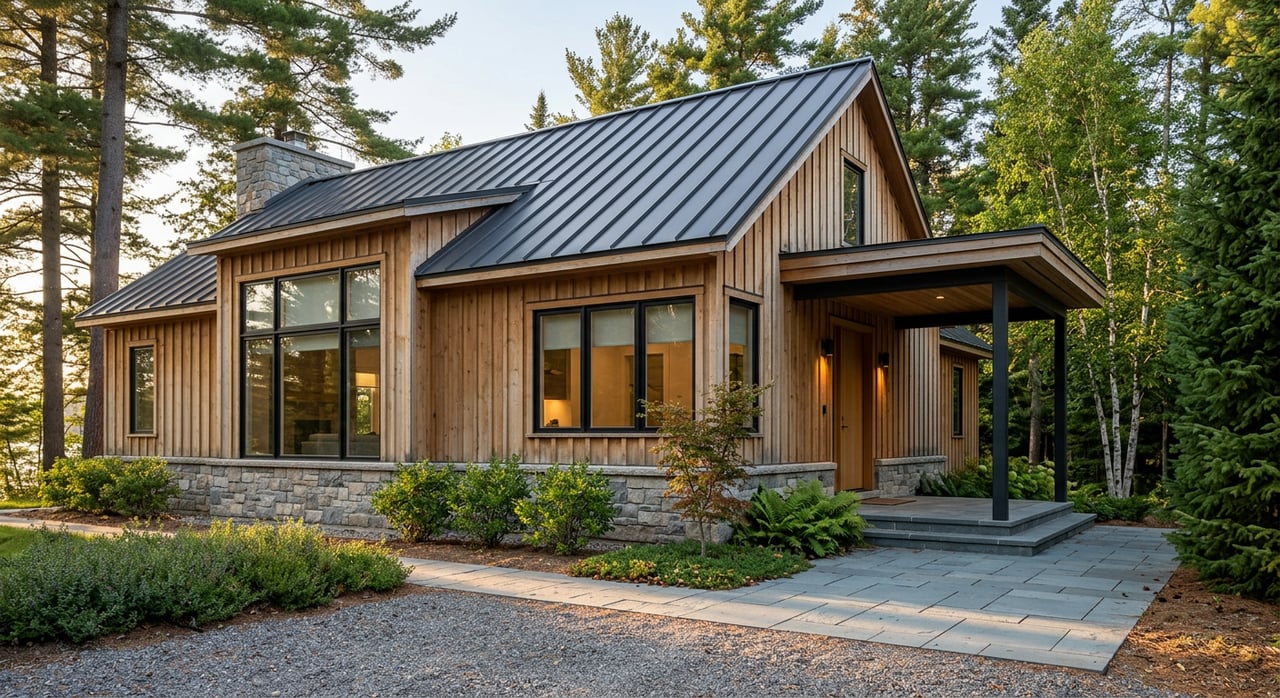
You want the Gull Lake lifestyle, but you’re stuck on one big choice: a classic summer cabin or a fully winter-ready home. It’s a good problem to have, and the right answer depends on how you plan to use the property, how you’ll finance it, and what you value most about the lake. In this guide, you’ll learn the exact tradeoffs, the questions to ask on every listing, and how local rules in Nisswa and Crow Wing County shape your decision. Let’s dive in.
Start with how you plan to use it
If you want reliable winter stays and easy off-season visits, a year-round home usually makes more sense. It offers better insulation, full heating, and simpler financing. Guidance for second homes from Fannie Mae’s Selling Guide expects a second home to be suitable for year-round occupancy, which can influence your loan options.
If your use will be mostly summer weekends, a seasonal cabin can fit the budget and the vibe. Just plan for winterization each fall and opening each spring, plus insurance that fits seasonal use. For that side of the equation, review how insurers handle cabins and vacancy on seasonal and vacation home policies.
Gull Lake factors that shape value
Gull Lake is the largest lake in the Gull Lake chain and a major Brainerd–Nisswa draw for boating and fishing. You are buying into that access and lifestyle, not just a structure. Use the Minnesota DNR’s LakeFinder to review lake data, surveys, and public access points.
Aquatic invasive species are actively managed on chain waters. Before you plan projects or frequent trailering, check the DNR’s Infested Waters list and AIS rules. AIS status can affect boat cleaning requirements and what you can do along the shoreline.
Local market note: Nisswa is typically one of the higher-priced submarkets in the Brainerd area, and waterfront addresses on Gull Lake command a premium. Always use up-to-date local comps for a given bay or street when evaluating value.
Financing rules to know
Lenders classify properties by both use and suitability. Many second-home programs expect a property to function year-round. If a structure cannot be heated or winterized, some lenders may treat it as an investment property or decline the loan. That changes down payment needs, reserves, and pricing. Review the occupancy language in Fannie Mae’s Selling Guide, then confirm classification with your lender before you write an offer.
Quick rule of thumb:
- Plan to use the property several winter months per year: favor a year-round home for comfort and smoother financing.
- Plan to use it mainly in summer: a seasonal cabin can be sensible if you accept winterization work, different insurance, and a narrower future buyer pool.
Utilities and septic: what to confirm
Many Nisswa-area lake properties use private wells and on-site septic systems. Some parts of town have municipal water or sewer, but not every lakeshore lot is connected. Connection status affects costs, inspections, and even rental licensing.
- Ask whether the property is on municipal utilities or private well and SSTS.
- In Crow Wing County, land-use permits and many transactions expect septic documentation. Review county land-use and septic references in the Crow Wing County Land Use resources and the MPCA’s SSTS forms and inspection guidance.
- If winter use matters, confirm heating fuel type, furnace age, and whether plumbing is protected from freeze. Natural gas is not universal on the lake; many homes use propane or electric systems.
Maintenance and winterization
Seasonal cabins often cost less to buy but require an annual close-up routine and spring reopen. You’ll manage tasks like draining lines, securing docks, and protecting from snow and ice. Year-round homes still need winter care, but they are built to stay heated and handle freeze-thaw better.
For a feel of the seasonal close-up process, review this overview on securely closing a seasonal home. Budget for septic pumping, dock storage or removal, shoreline repair after harsh winters, and roof or siding maintenance.
Access and roads in winter
Road status matters for daily living and emergency access. County or township roads are maintained publicly. Private roads and shared drives are typically the owners’ responsibility for plowing and upkeep. Before you buy, confirm whether access is public or private and who pays for ongoing maintenance. This is especially important if you will visit frequently in winter.
Insurance and vacancy limits
Insurance for a seasonal or vacation home is different from a primary residence policy. Many insurers apply vacancy or unoccupancy limits if a home sits empty for long stretches, especially in winter. A seasonal property may need endorsements that add cost or limit certain claims. Get quotes for your exact use case using guidance on seasonal and cabin insurance before you finalize an offer.
Shoreline rules and docks
Shoreland setbacks and permits apply across Crow Wing County. Standard setbacks limit where you can place structures, and shoreline work like riprap, beaches, or certain plant removal typically requires permits. Review county standards and links within the Crow Wing County Land Use resources, and check the DNR’s LakeFinder for aquatic plant and access information. Expect review timelines when you plan dock upgrades, lifts, or vegetation work.
Short-term rentals on Gull Lake
If you plan to offset costs with rentals, understand local requirements up front. Crow Wing County requires licensing for short-term rentals in areas under its planning jurisdiction. The license application requests septic documentation or proof of municipal sewer, a 24/7 contact, and fees. Read the current rules on the county’s Short-Term Rental licensing page and include a licensing contingency if rental income is central to your purchase plan.
Walk a listing: your must-ask checklist
Use this checklist on every Gull Lake property you tour. Ask for documents and include them in offer contingencies where appropriate.
Occupancy and permits
- Was the home permitted and built for year-round occupancy? If not, what upgrades are needed to make winter use feasible?
- Are there recorded building permits and shoreland alteration permits on file? Request copies. See county guidance in the Crow Wing County Land Use resources.
Utilities and systems
- Municipal water/sewer or private well and SSTS? Ask for the most recent septic compliance certificate and date. The MPCA’s SSTS forms show the inspection standards commonly used.
- Heating type and furnace age. If propane, confirm whether the tank is owned or leased. Ask if plumbing is insulated and protected against freeze.
- Electric service size and internet options if you plan remote work.
Maintenance and winter readiness
- Insulation levels, foundation type, and whether crawlspaces are conditioned. Roof age and any history of ice or shoreline damage repairs.
- Dock condition, lift capacity, and who has handled seasonal removal and storage.
Access and services
- Is the access road public or private? Who arranges plowing and pays annual maintenance? Is there a road association agreement with dues?
- Confirm emergency access during winter months.
Insurance and lender
- Will your insurer write the correct seasonal or vacation home policy for your planned use? Any vacancy exclusions or endorsements required?
- Ask your lender if the property will qualify as a second home or be treated as an investment property. Reference Fannie Mae’s second-home expectations and get a pre-approval that matches the property type.
Income and regulation
- If you plan to rent short-term, confirm license requirements, fees, and septic documentation on the county’s STR page. Make licensing a contingency if rentability matters to your numbers.
Environmental and lake items
- Check the DNR’s LakeFinder for lake data and aquatic plant rules, and verify AIS status on the Infested Waters list.
Inspection add-ons
- Request a septic compliance inspection report and pump test if applicable. See MPCA SSTS forms for what inspectors review.
- Test well water for coliform and nitrate if on a private well.
- Operate the heating system under load, confirm backup heat if present, and look for frozen-pipe protection.
- Review shoreline elevation versus historic high water and inspect any retaining structures. County references are in the Crow Wing County Land Use resources.
Resale and rental outlook
Year-round homes on Gull Lake typically appeal to a broader buyer base, from full-time residents to four-season vacation owners. That wider appeal can help with days on market and long-term stability. Seasonal cabins appeal to buyers who prioritize summer living or an STR-focused plan, which can mean a narrower buyer pool and more price sensitivity.
Rental potential depends on compliance and seasonality. Licensing, septic capacity, and guest season length will shape realistic revenues. Build conservative projections around licensed occupancy and high-season demand.
What to do next
- Clarify your use plan for the next 3 to 5 years. That will point you toward a cabin or a year-round home.
- Get lender guidance on second home vs. investment property classification before you tour.
- Line up an insurance quote for your intended use, not just the address.
- Use the checklist above to evaluate each listing, and pull local comps for the specific bay or shoreline.
If you want a clear path from search to closing with lake-specific due diligence, connect with J Sandy Smith for a free consultation. Our team specializes in Central Minnesota lakeshore and will help you weigh value drivers, navigate permits, and write a confident offer.
FAQs
What is the main difference between a seasonal cabin and a year-round home for financing?
- Many second-home loan programs expect properties to be suitable for year-round occupancy. A strictly seasonal structure may be treated as an investment property or be ineligible, which changes down payment, reserves, and pricing. See Fannie Mae’s guidance and confirm with your lender.
How do septic compliance rules affect a Gull Lake purchase in Crow Wing County?
- Land-use permits and many transactions require current septic documentation, and STR licensing also relies on septic or municipal sewer proof. Review county references in the Crow Wing County Land Use resources and the MPCA’s SSTS forms.
Can I convert a seasonal cabin to a year-round home?
- Often yes, but you may need insulation, HVAC, plumbing upgrades, and permits, plus shoreland setback compliance. Start with a contractor and confirm requirements in the Crow Wing County Land Use resources before you budget.
How do aquatic invasive species rules impact ownership on the Gull Lake chain?
- AIS rules affect how you launch and clean boats and can influence shoreline projects. Check lake data and public access info in LakeFinder and verify status on the Infested Waters list before planning work.
What should I ask about winter road access for a lake home near Nisswa?
- Confirm whether access is on a public road or a private drive, who handles plowing, and if there is a road association with dues. This affects daily living, emergency services, and overall convenience.
What are the basics of short-term rental licensing in Crow Wing County?
- The county requires a license, septic documentation or municipal sewer proof, a 24/7 contact, and fees for STRs in its planning area. Review details on the Short-Term Rental licensing page and make licensing a purchase contingency if rentability is important.