Selling a lake home in Crosslake is not the same as selling a typical house. Buyers here are paying close attention to the shoreline, the dock setup, the view, and how easily they can picture life on the water. If you want to avoid delays and present your property at its best, it helps to prepare early and focus on the details that matter most in a lakeshore sale. Let’s dive in.
Start With The Lake Experience
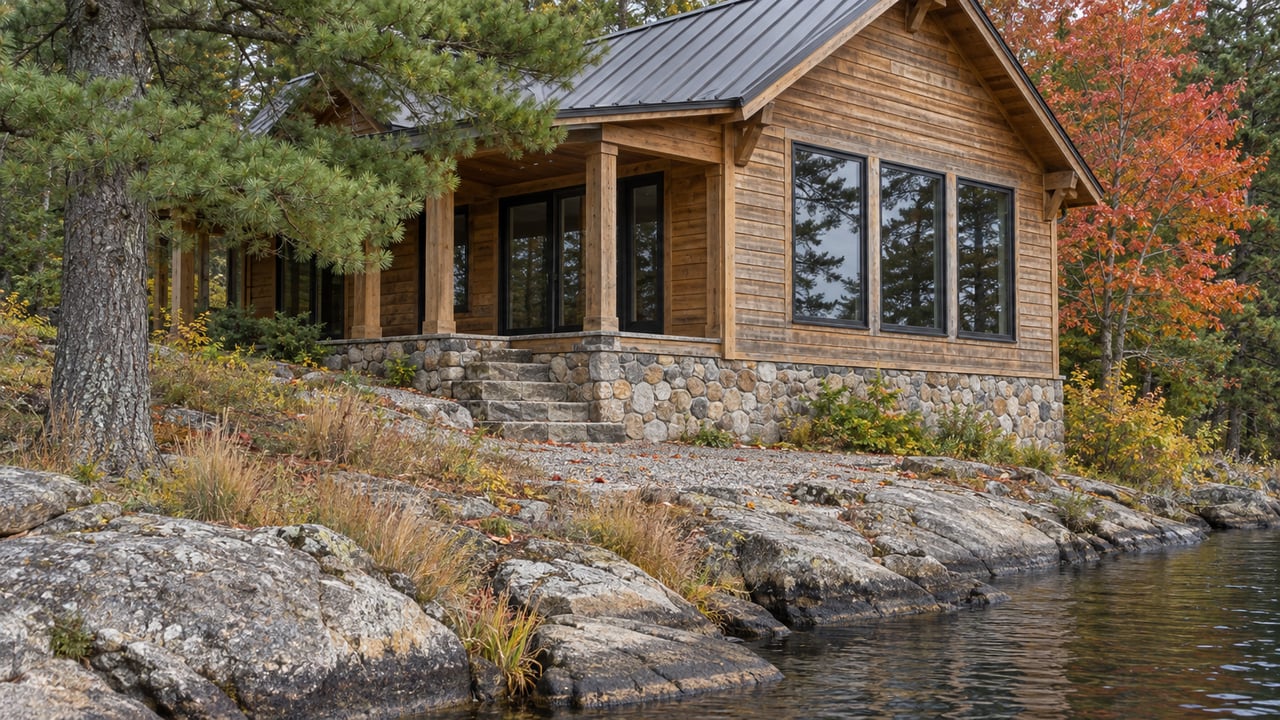
In Crosslake, buyers are often judging the full property experience, not just the square footage inside. Crosslake sits on the Whitefish Chain, which the community describes as 14 interconnected lakes with more than 13,500 acres of water and 119 miles of shoreline, and it is promoted as a four-season recreation destination.
That means your prep plan should go beyond paint colors and countertop clutter. You want buyers to see a property that feels easy to enjoy, from the driveway to the dock to the lake-facing living spaces.
Prepare The Shoreline Carefully
One of the biggest mistakes a seller can make is assuming shoreline cleanup is simple. In Crow Wing County, shoreland rules can apply within 1,000 feet of a lake and 300 feet of a stream, and permits are required for many types of dirt moving and vegetation changes in those areas.
If you are thinking about trimming back the shore, adding sand, adjusting grading, or improving access to the water, pause first. The county notes that shoreline work such as recreation use areas, stairways, landings, riprap, sand blankets, and other changes can come with permit conditions or size limits.
This is why it is smart to review any old work before you list. If past shoreline or grading improvements were done, gather records early so you are ready when buyers ask questions.
Shoreline Prep Priorities
- Clean up the path to the water so it feels safe, usable, and well maintained.
- Remove obvious clutter near the shoreline and outdoor seating areas.
- Check records for any prior grading, riprap, sand, stair, landing, or shoreline alteration work.
- Be cautious about making last-minute changes without confirming whether county review is needed.
If your property has more extensive hardscape or engineered shoreline features, there may be additional review points. Crow Wing County notes that a stormwater plan is required above 15% impervious surface coverage, and a shoreland rapid assessment is required above 20%.
Make The Dock And Lift Show Well
For many Crosslake buyers, the dock area is part of the first impression. A dock or lift that looks disorganized, oversized, or poorly maintained can raise questions right away.
The Minnesota DNR says many docks on owned shoreline can be installed or reconstructed without a permit only if they stay within certain size, safety, and local-government limits. For example, the dock cannot be wider than 8 feet, cannot be used as a marina, and cannot include walls, a roof, or sewage facilities.
Before listing, make sure the dock hardware, ladders, lifts, and nearby seating areas look neat and functional. Buyers do not want to guess whether the setup is safe or appropriate for the property.
Dock Area Checklist
- Straighten and clean the dock area.
- Check ladders, hardware, and lifts for an orderly appearance.
- Remove extra items that make the waterfront feel crowded.
- Gather any records that help show the dock or lift setup meets local and DNR expectations.
Focus On The Rooms Buyers Notice Most
Inside the home, the goal is to make the lake lifestyle easy to picture. National staging research from 2025 found that 29% of sellers’ agents reported staged homes received offers that were 1% to 10% higher, 49% said staging reduced time on market, and 83% of buyers’ agents said staging helped buyers visualize the property as a future home.
The same research found that the most commonly recommended seller steps were decluttering, cleaning, and improving curb appeal. The rooms most often staged were the living room, primary bedroom, dining room, and kitchen.
For a Crosslake lake home, this matters even more. You want the interior to support the view, not compete with it.
Best Interior Prep Order
- Deep clean the entire home.
- Fix visible wear and tear.
- Reduce extra furniture and personal items.
- Stage the main gathering spaces.
- Photograph the home only after indoor and outdoor prep is complete.
A calm, open interior helps buyers imagine weekends at the lake, larger gatherings, or longer seasonal stays. That picture is easier to create when surfaces are clear, furniture fits the room, and sightlines to the water are open.
Highlight Lake-Facing Spaces
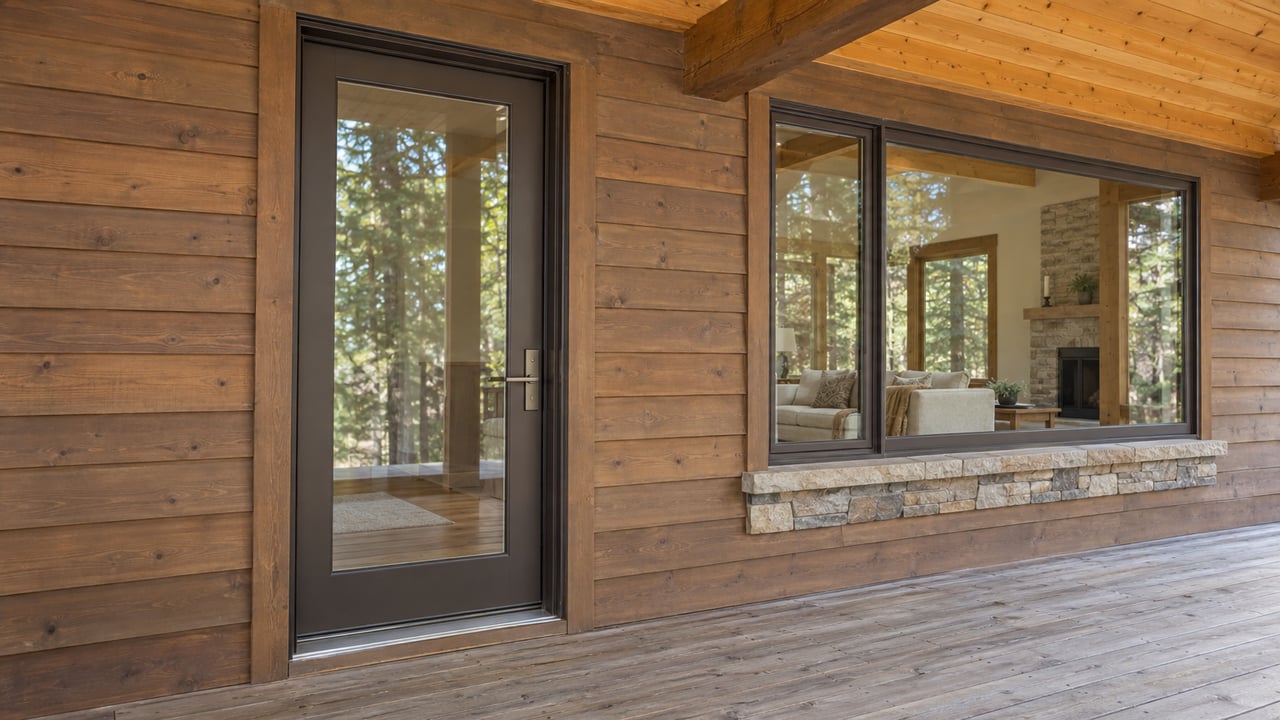
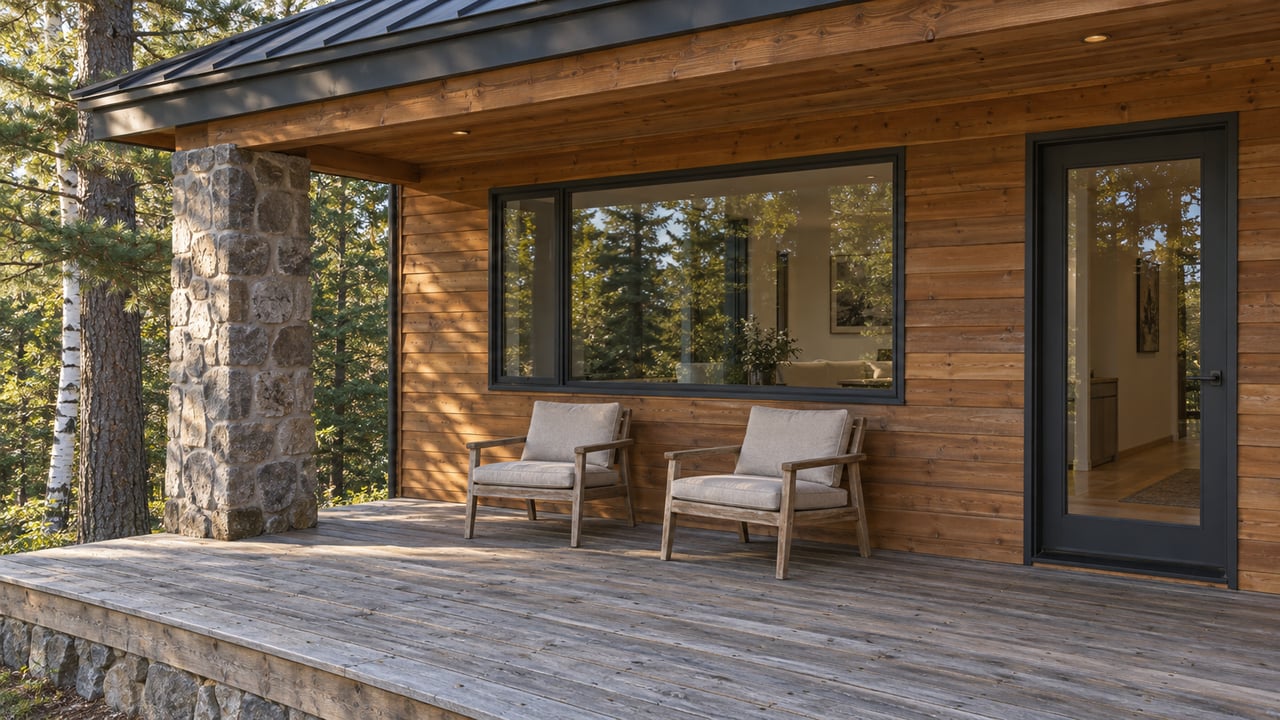
In a market like Crosslake, indoor-outdoor flow matters. If your home has a deck, porch, lakeside sitting area, or large windows facing the water, those spaces should be presented as clearly and simply as possible.
That does not mean overdecorating. It means making each space feel functional and inviting so buyers can immediately understand how they would use it.
Keep the focus on features that support the lakeshore lifestyle, such as gathering areas, water views, and easy access to the shoreline. This is especially important when your listing photos and video are created, since buyers’ agents rated photos, videos, and virtual tours as highly important.
Handle Septic Early
In Crow Wing County, septic is one of the most important items to address before listing. The county ordinance requires compliance inspections for all property transfers, and in the shoreland district, a valid passing septic compliance inspection must also be on file before a permit application is submitted.
A Certificate of Compliance remains valid for three years unless the county finds evidence of noncompliance. If you do not have a current certificate or compliant operating permit, the seller and buyer can enter into a written agreement to repair, replace, or upgrade the system, or the buyer may take responsibility for the upgrade.
The key is not to wait until the last minute. Septic questions can affect buyer confidence, timing, and negotiations, so this is one of the first documents you should track down.
Gather Well And Water Information
If your lake home uses a private well, recent water information can help reduce buyer hesitation. The Minnesota Department of Health says private well owners are responsible for regular testing of water used for cooking and drinking.
The state recommends annual testing for coliform bacteria and nitrate, plus at least one-time tests for arsenic, lead, and manganese. For sellers, having recent results ready can make your listing feel more complete and easier to evaluate.
This is especially helpful in a rural or lakeshore setting where buyers may be less familiar with private well systems. Clear documentation can keep questions from becoming delays.
Organize Permits And Property Records
One of the best ways to reduce friction during a sale is to answer buyer questions before they are asked. In Crosslake, that often means organizing documents tied to shoreline work, septic, well testing, and water-related equipment.
Undocumented improvements are one of the biggest reasons lake-home deals get more complicated than expected. If a buyer sees stairs, riprap, a beach area, or other visible shoreline changes, they may want to know whether those items were properly reviewed or permitted.
Documents To Gather Before Listing
- Current septic Certificate of Compliance or operating permit
- Written septic repair or upgrade agreement if applicable
- Recent private well test results
- Shoreline alteration permits or approvals
- Records for grading, riprap, sand, stairs, or landings if applicable
- Any documentation that supports dock or lift compliance and setup
Plan For A Longer Prep Window
A Crosslake lake-home sale usually needs more lead time than a typical residential listing. Because septic compliance, shoreline records, and dock questions can all surface before or during a transaction, the prep timeline is often measured in weeks or even months rather than days.
That extra planning time can pay off. It gives you room to gather records, clean up the waterfront properly, schedule testing if needed, and prepare marketing materials after the property is truly ready.
This is where lakeshore-specific guidance matters. Buyers are often looking closely at the lake, the shoreline, and the use of the property, so the listing process works best when those details are addressed upfront.
Avoid The Most Common Last-Minute Surprises
The biggest avoidable problems in this market are usually septic compliance gaps and undocumented shoreline alterations. Close behind those are dock and lift questions, especially if the setup is more complex than expected or if equipment has been moved between waterbodies.
Minnesota aquatic invasive species rules require people to clean watercraft and equipment, drain water, dispose of unwanted bait, and dry docks, lifts, and rafts for 21 days before moving them from one waterbody to another. If your property includes water-related equipment, it helps if it appears clean, well maintained, and easy to explain.
In short, buyers want confidence. The more clearly you can show that the home, shoreline, systems, and lake access have been cared for, the smoother your sale is likely to be.
A Smart Crosslake Seller Strategy
If you are getting ready to sell, think of the process in three parts: prepare the property, organize the paperwork, and market the full lakeshore experience. That approach helps you present value clearly and reduce the odds of stressful surprises later.
At Sandy Smith Lakeshore Real Estate Group, we believe lakeshore is different because buyers are buying the lake as much as the house. If you want a practical prep plan for your Crosslake property, connect with Sandy Smith for a free consultation.
FAQs
What should you do first before selling a Crosslake lake home?
- Start by reviewing the shoreline, septic documents, dock setup, and overall property condition so you can identify issues early and build a clear prep plan.
Why does shoreline prep matter when selling a lake home in Crosslake?
- Shoreline condition strongly affects buyer interest in Crosslake because buyers are evaluating water access, usability, and the overall lake experience along with the home itself.
Do you need septic documents to sell a lake home in Crow Wing County?
- Yes. Crow Wing County requires compliance inspections for property transfers, so it is important to have a current septic Certificate of Compliance, operating permit, or a written repair agreement if needed.
Should you test the well before listing a Crosslake lake property?
- If the home uses a private well, recent water test results can help reduce buyer concerns and make the property easier to evaluate.
What rooms should you stage before listing a lake home?
- The highest-priority spaces are typically the living room, primary bedroom, kitchen, and dining area, along with any spaces that highlight the lake view or indoor-outdoor flow.
When should listing photos be taken for a Crosslake lake home?
- Photos should usually be taken after the home is cleaned and staged, the dock is in place, and the shoreline and outdoor areas are cleared of clutter.