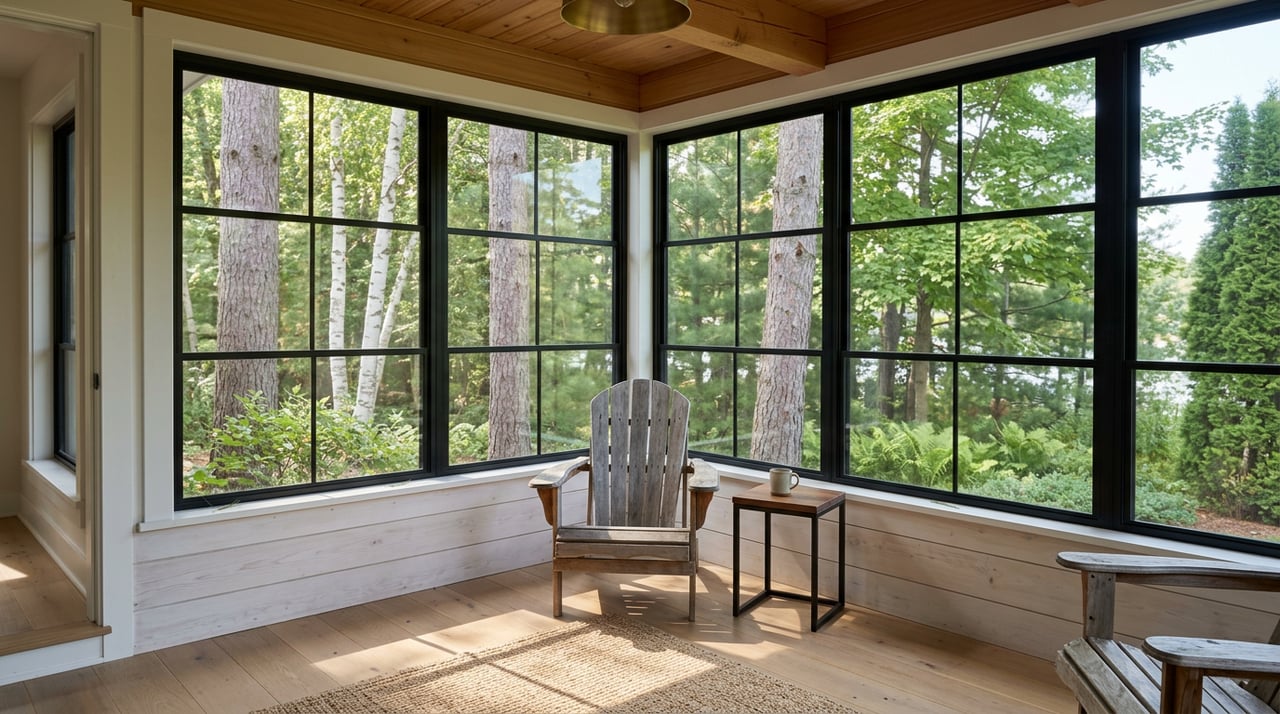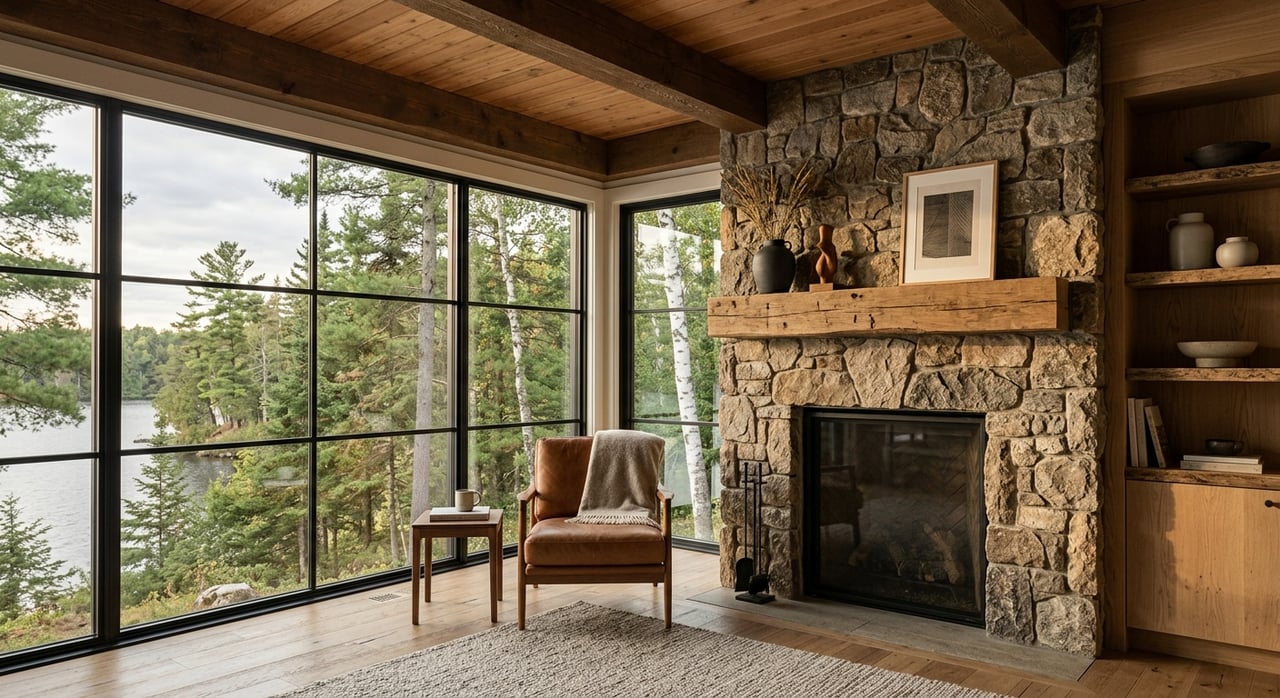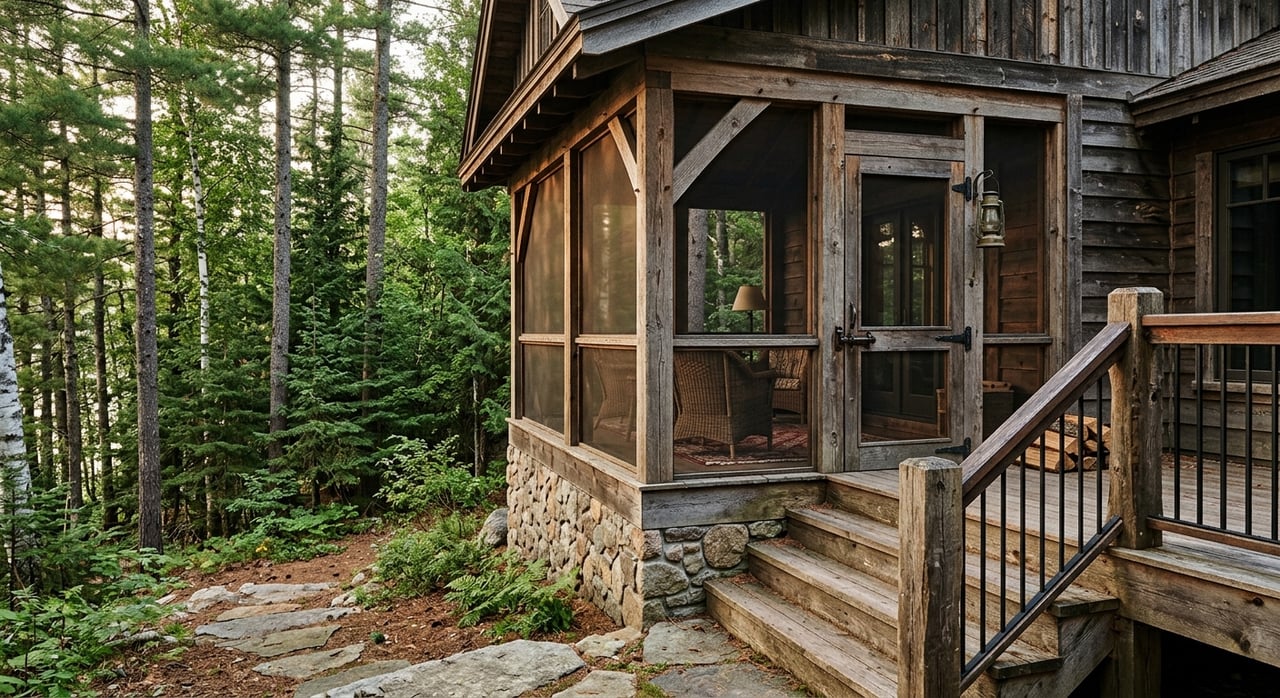
Are you thinking about letting go of a family cabin near Longville, but not sure where to start? For many owners, this kind of sale is about more than price. It is tied to family history, changing seasons of life, and questions about how to handle the property the right way. If you are planning to sell, a clear process can help you protect the value of the cabin, avoid surprises, and move forward with confidence. Let’s dive in.
Start With the Family Decision
Selling a legacy cabin is often both emotional and practical. Before you focus on repairs, timing, or list price, it helps to talk through the decision with the people involved. A cabin that once fit your family perfectly may no longer match how it is used today.
There is no single right time to sell. What matters is whether the property still fits your goals, whether you are ready for the next step, and whether the timing makes sense for your family. That conversation can make the rest of the selling process much smoother.
Gather the Right Property Records
Once the decision feels clear, the next step is getting organized. For a Longville-area cabin, local property records are a practical starting point because they help confirm how the property is recorded in Cass County today.
Useful records to gather may include:
- Parcel number
- Tax information
- Property classification
- Homestead status
- Deed information
- Lake name and code
- Well records
- Septic records
- Permits or compliance certificates
Having these details ready can save time when pricing, preparing disclosures, and answering buyer questions. It also helps you spot gaps early, especially if records have not been updated in years.
Understand the Longville Market Context
When you sell a cabin near Longville, market data can be helpful, but it should be treated as context rather than a single answer. This is a smaller market, and published numbers often measure different things.
As of February 28, 2026, Zillow estimated Longville’s average home value at $356,484. Redfin reported a median sale price of $460,000 over the prior three months, with 14 days on market. For Cass County, Zillow reported a $343,899 average home value as of May 31, 2026, while Redfin reported a $314,000 median sale price and 43 days on market.
Those numbers are not directly comparable, but they do point to a market with strong value and real variation by property type and location. For lakeshore sellers, that variation matters. A cabin’s price is shaped by more than square footage or bedroom count.
Seasonality Still Matters
Cabin sales near Longville often follow the rhythm of the lake season. Housing activity usually peaks in spring and summer, and that pattern can be even more important when buyers want to experience the water, shoreline, and outdoor spaces in person.
Minnesota Realtors reported that the spring 2026 market was late but strong. New listings were up 4.5%, pending sales rose 6.8%, inventory increased 6.0%, and private waterfront home sales were up 14.5% year over year. For many sellers, that supports listing when the property shows at its best and the lake lifestyle is easiest to see.
Price the Lake, Not Just the Cabin
One of the biggest mistakes lakeshore owners can make is thinking the cabin alone drives value. In this market, buyers are often buying the lake experience just as much as the structure.
According to the Minnesota Department of Revenue, lakeshore property is generally valued as residential development, and assessors often use the sales comparison approach. Factors they may examine include shoreline type, zoning, legal rights and access, frontage, lot size, setback, elevation, and slope.
That means two cabins with similar interiors can still have very different value. The lot, the shoreline, and the property’s use potential can change the picture in a big way.
Key Lakeshore Value Drivers
When you prepare to sell, pay special attention to factors like:
- Shoreline type
- Front footage
- Lot size and width
- Elevation and slope
- Setbacks
- Legal access and use rights
- Zoning and shoreland standards
- Condition and location of the septic system
- Well information and status
These details help shape both pricing strategy and buyer interest. They also affect how clearly your property can be positioned in the market.
Be Careful With Shoreline Changes
If you are tempted to clean up the shoreline before listing, pause before making changes. Near Longville, shoreland rules can affect setbacks, vegetation clearing, impervious surface, and certain types of work near the water.
Minnesota shoreland classifications set standards for lot area, lot width, structure setbacks, septic setbacks, and shore impact zones. Local shoreland ordinances administer those standards. In short, what seems like a simple improvement may have permit or compliance implications.
Natural shoreline vegetation also matters. The Minnesota DNR notes that these areas help capture nutrients, slow runoff, buffer wave action, and protect water quality. That is important for both stewardship and buyer perception.
Why Natural Shoreline Can Help
A more natural shoreline can support value in practical ways because it may:
- Protect water quality
- Reduce runoff concerns
- Help limit erosion
- Preserve the natural lake setting buyers expect
If erosion or shoreline condition is a concern, leaving the shore as natural as possible and using native vegetation may be the best path when conditions allow. Before changing anything near the water, check with Cass County.
Focus Repairs on Risk First
Not every pre-list project is worth doing. If you are getting ready to sell a legacy cabin, focus first on items that affect safety, condition, disclosure, or compliance.
That may include roof issues, water intrusion, structural concerns, mechanical problems, septic questions, or known shoreline issues. Cosmetic updates can help, but they should come after the bigger items are understood.
Cass County says roof shingle, siding, window, and interior remodel work does not require a permit if structural elements are not replaced or expanded, no bedrooms are added, and the use stays the same. Even so, the county asks owners to contact Environmental Services before starting work.
Staging a Cabin for Today’s Buyers
Staging does not mean turning a family cabin into something unrecognizable. It usually means helping buyers see the space clearly, without distractions.
According to NAR’s 2025 staging guidance, 83% of buyers’ agents said staging helps buyers visualize the home. More than a quarter of professionals also said staging increased the dollar value offered by 1% to 10%.
Simple Cabin Staging Priorities
A few practical steps can make a big difference:
- Remove highly personal items
- Use fresh towels and bedding
- Paint in neutral colors if needed
- Reduce bulky furniture
- Clean the entry carefully
- Keep closets about half full
- Open up views to the lake when possible
For a legacy property, this can feel emotional. Still, creating a cleaner and calmer presentation helps buyers focus on the property itself.
Know the Required Disclosures
Minnesota sellers must disclose material facts that may adversely and significantly affect a buyer’s use or enjoyment of the property. That can include structural or mechanical problems, water infiltration, easements or encroachments, and faulty septic systems.
For cabin owners, this is one reason it helps to gather records early and understand the property’s current condition before listing. A pre-list inspection can also help uncover issues before a buyer does.
Well Disclosure in Minnesota
If your cabin has a private well, Minnesota requires well disclosure before the sale agreement is signed. Sellers must disclose the number and status of all known wells and provide a sketch map showing their location.
The state does not require private well testing or inspection at transfer. Even so, a voluntary test or record review can be a helpful step before listing.
Septic Rules in Cass County
If the property has a septic system, Cass County’s ordinance is especially important. Systems must be brought into compliance upon conveyance, and sellers must disclose the status and location of known SSTS.
If compliance paperwork is missing, the county provides paths that may include a compliance inspection, escrow, or a winter agreement. Cass County also maintains SSTS information, permit forms, and a search tool for licensed professionals.
Choose Representation With Lakeshore Experience
Selling a cabin near Longville is not the same as selling a typical in-town home. Pricing, preparation, marketing, and negotiation all benefit from local lakeshore knowledge.
It helps to work with someone who understands how buyers evaluate shoreline, frontage, lot usability, water access, and compliance questions. In a niche market, that kind of expertise can help the property stand out for the right reasons.
A strong seller strategy should also include clear pricing logic, thoughtful buyer vetting, marketing that explains the lake-specific value, and transaction coordination that keeps details from slipping through the cracks.
Plan the Sale With Fewer Surprises
If you are planning to sell a legacy cabin near Longville, the best first step is often the simplest one: get clear on the decision, then get organized. From there, you can prepare the property, address records and disclosures, and build a pricing and marketing plan that reflects how lakeshore buyers really think.
When you take that approach, you are not just putting a cabin on the market. You are presenting the full value of the property, the shoreline, and the setting in a way that gives you a better chance at a smooth and well-supported sale.
If you are ready to talk through your cabin’s next step, Sandy Smith can help you build a clear, lake-specific plan for selling near Longville.
FAQs
What records should you gather before selling a cabin near Longville?
- Start with Cass County parcel and tax records, then gather deed information, property classification, homestead status, lake name and code, well records, septic records, and any permits or compliance certificates.
Is spring or summer better for selling a cabin near Longville?
- Often, yes. Spring and summer are typically the busiest seasons, and waterfront homes tend to show best when buyers can fully experience the lake, shoreline, and outdoor spaces.
Do you need to disclose a private well when selling a Minnesota cabin?
- Yes. Minnesota requires sellers to disclose the number and status of all known wells before the sale agreement is signed and to provide a sketch map showing well locations.
What septic issues matter when selling a cabin in Cass County?
- Cass County requires sellers to disclose the status and location of known septic systems, and systems must be brought into compliance upon conveyance. If paperwork is missing, county processes may include inspection, escrow, or a winter agreement.
Should you update the shoreline before listing a lakeshore property near Longville?
- Not without checking first. Shoreline work may be affected by local shoreland rules and permit requirements, so it is smart to confirm what is allowed before making changes.
What repairs should you make before selling a legacy cabin near Longville?
- Focus first on issues tied to safety, condition, disclosure, or compliance, such as roof problems, water intrusion, structural concerns, mechanical issues, septic questions, or known shoreline concerns.