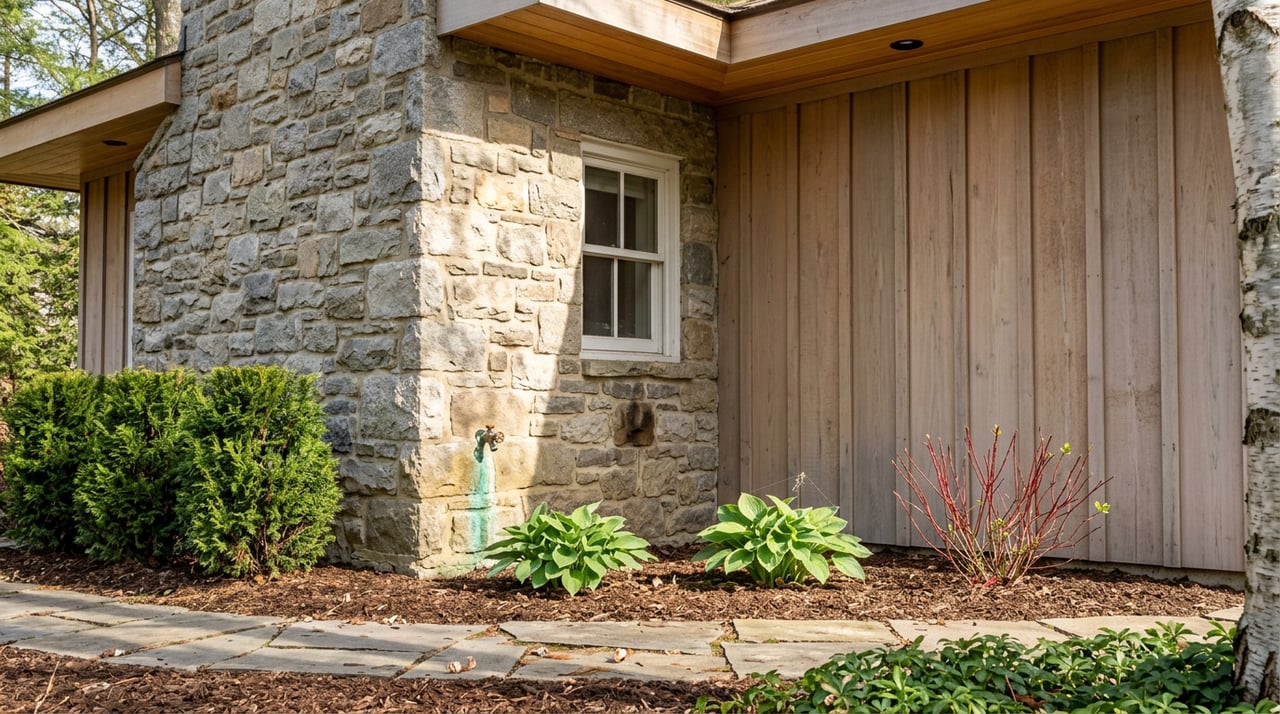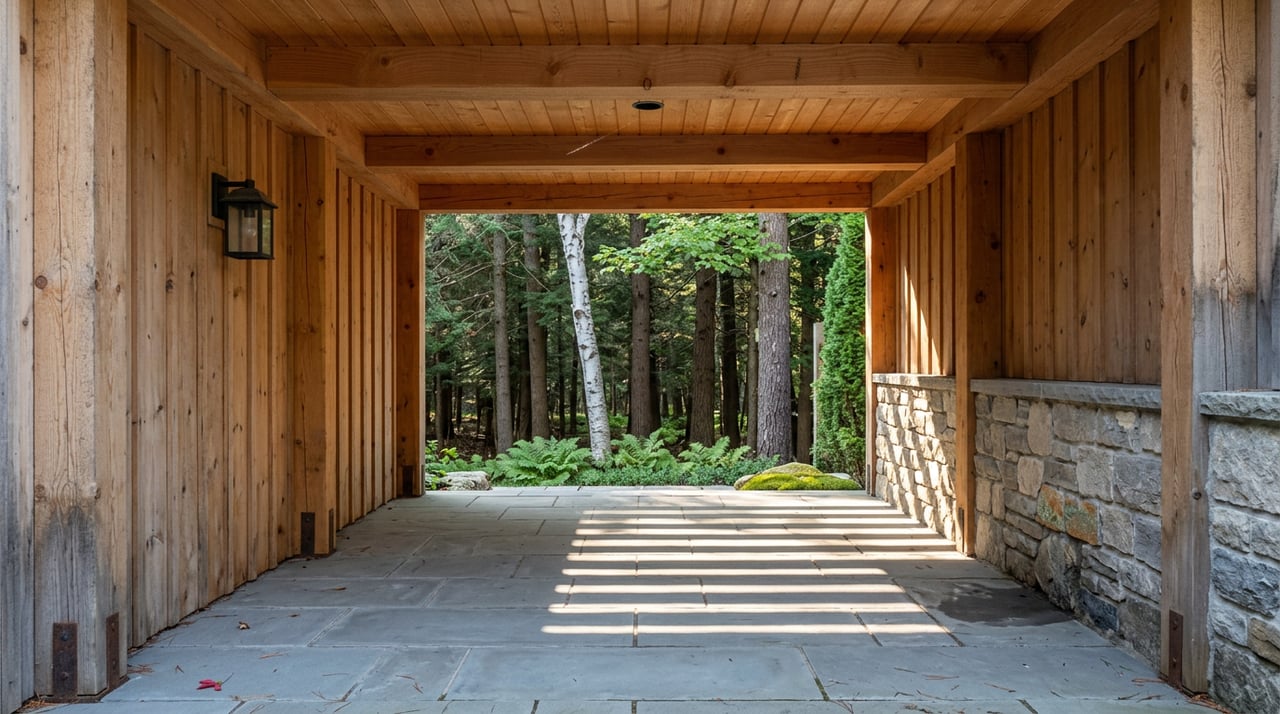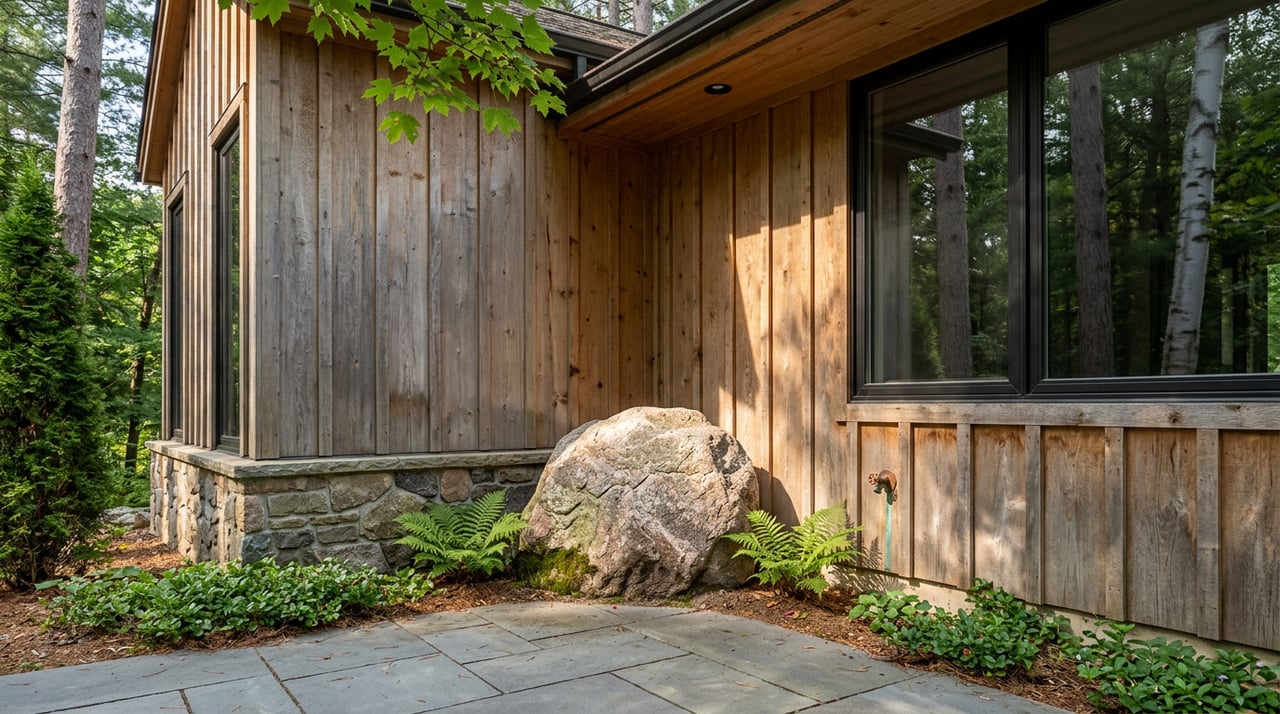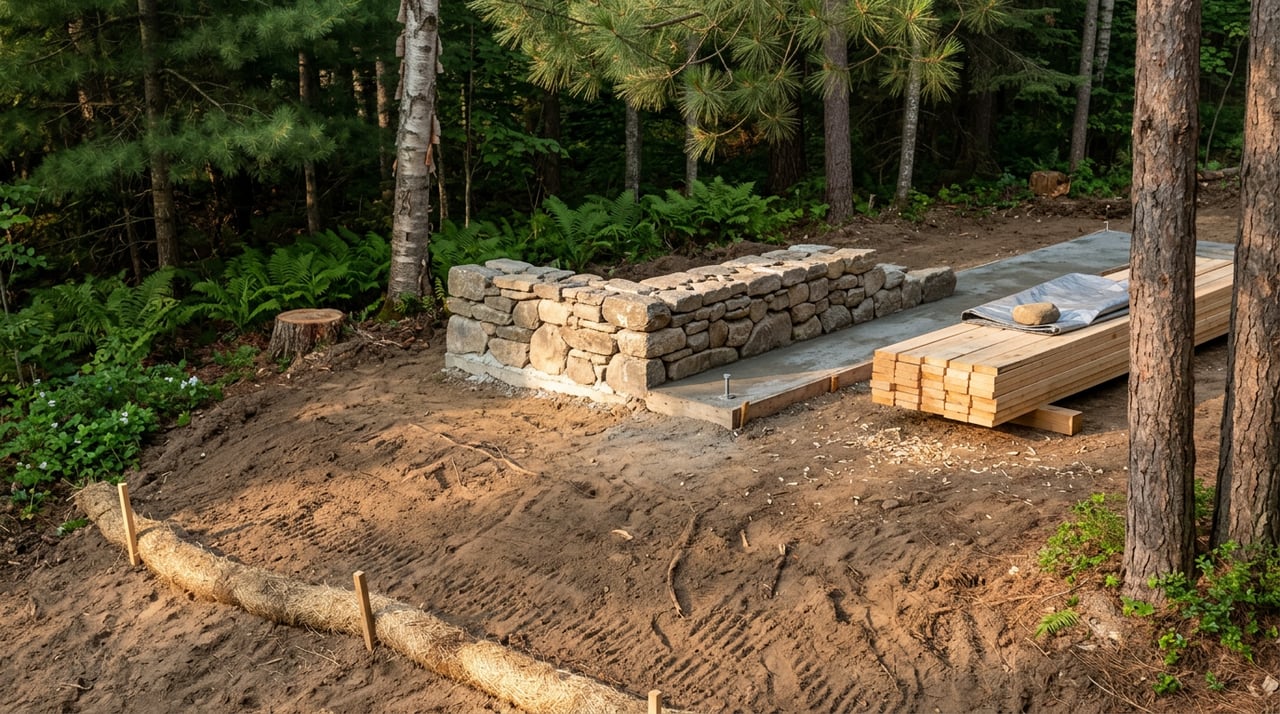
A buyer finds a wooded parcel with good elevation, a decent stretch toward the water, and a price that feels reasonable next to everything else they have looked at around Emily and Fifty Lakes. They close. Then they call a builder, or the county, to talk about a driveway and a building pad, and they hear a number they did not budget for: fifty cubic yards.
That is the threshold. It is not a large amount of dirt. It is roughly what gets displaced grading a modest building pad or cutting in a walkout basement wall. And in this part of Cass County, crossing it changes the entire scope of the permit you need before a shovel goes in the ground.
The Permit Threshold That Shows Up After You've Already Closed
Cass County defines its shoreland zone as any land within 1,320 feet of a lake or river. That is not a narrow strip along the water. On many of the parcels sold around Emily, Outing, and Fifty Lakes, the entire buildable lot sits inside that zone, which means the shoreland rules apply to the whole property, not just the section closest to shore.
Within that zone, moving soil triggers different levels of review depending on volume.
Moving up to 50 cubic yards of soil in the Cass County shoreland zone requires a shoreland alteration permit. Moving more than 50 cubic yards requires a conditional use permit, an engineered plan, and a performance bond.
That second tier is the one that catches future-build buyers off guard. A CUP means a public review process. An engineered plan means hiring someone qualified to design the grading, not just eyeballing it with an excavator operator. A performance bond means posting money against the promise that the site gets restored correctly.
The county's shoreland guide adds a related wrinkle worth knowing before you plan a retaining wall or shoreline stabilization: a DNR public waters work permit is required for any retaining wall placed below the ordinary high water level, and Cass County separately requires a permit for rip rap placed above it. Retaining walls in general are discouraged on the county's more undeveloped lakes. If your future-build plan includes reshaping how the lot meets the water, that plan needs sign-off from more than one authority before it happens, not after.
None of this shows up on a listing sheet. It shows up when you call to ask what it takes to actually build.
The Average Price Everyone Quotes Is Measuring the Wrong Thing
Search for land near Emily and you will run into a countywide number. As of late July 2026, Cass County had 199 active land and farm listings with an average price of $192,112, spanning a range from $19,900 up to $1.6 million. That average sounds like a starting point for budgeting. It is actually blending two different products into one number.
Look instead at what is trading specifically as lakeshore property in this corridor. Active Emily lake listings as of late May 2026 averaged $567,959, ranging from $110,000 to just over $2 million. Fifty Lakes lake listings as of late June 2026 averaged $709,000 on a smaller pool, ranging from $75,000 to nearly $1.5 million.
| Listing pool | Active listings | Average price | Price range | As of |
|---|---|---|---|---|
| Cass County land and farm (all) | 199 | $192,112 | $19,900 to $1.6M | July 2026 |
| Emily lake property | 17 | $567,959 | $110,000 to $2.07M | May 2026 |
| Fifty Lakes lake property | 7 | $709,000 | $75,000 to $1.495M | June 2026 |
The gap between the countywide land average and either lake-specific pool is not a rounding error. It is the frontage premium showing up in plain sight. A parcel search that returns a $192,112 average includes plenty of inland acreage with no water access at all, sitting next to farmland, hunting ground, and highway frontage. If what you actually want is a buildable lot on the water, the countywide average tells you almost nothing about what you will pay. The number that matters is the one attached to lake property specifically, and even that number moves depending on which lake you are looking at.
The Same Zip Code, Wildly Different Lakes
Emily itself is built around a handful of connected waters. Ruth Lake is the largest at roughly 600 acres, with Lakes Emily, Mary, and Dahler behind it in size. These are the lakes closest to town, near restaurants like Pickled Loon Saloon, Channel Bar and Grill, and the Village Inn, and within reach of Emily Greens Golf Course and Golden Eagle Golf Club.
Fifty Lakes trades on a different kind of appeal. East Fox Lake, West Fox Lake, and Eagle Lake sit in a quieter, more private setting, further from the concentrated dining and golf of Emily proper. A buyer comparing the two towns is not just comparing price per foot of frontage. They are comparing proximity to amenities against a slower, more secluded pace, and that tradeoff shows up in the listing data as a smaller, higher-priced pool in Fifty Lakes against a larger, more varied pool in Emily.
Then there is Roosevelt Lake, out toward Outing, which connects to Lawrence Lake for a combined 1,744 acres of water. It is known for walleye, northern pike, and large crappie fishing, and the DNR now stocks muskies there as well. A vacant lot on Roosevelt with genuine shoreline, like the wooded parcels currently listed with frontage on Woods Bay, competes in an entirely different fishing-and-boating conversation than a small lot on one of Fifty Lakes' quieter waters.
At the far end of scale, listings like the 568-acre Little Pine Lodge retreat show up in searches across this corner of lakes country, alongside sub-acre building lots on Mary Lake and Ross Lake. Land near Emily is not one market. It is several markets stacked on top of each other, sorted by lake, by acreage, and by how much of that acreage actually touches water.
What To Confirm Before You Write an Offer
Before you get attached to a parcel, a few questions can save real time and money later.
- Ask the seller or listing agent whether any shoreland alteration permits, conditional use permits, or variances have already been filed on the property. Prior permit history tells you what the county has already reviewed and approved.
- Get a sense of the lot's actual grade before assuming a building pad is simple. A lot that looks flat from the road can still require moving well over 50 cubic yards once a foundation and driveway are cut in.
- Ask whether any retaining wall, rip rap, or shoreline stabilization already exists, and whether it was permitted at the time it was built. Unpermitted work becomes your problem once you own the parcel.
- Use Cass County's parcel and GIS tools to confirm where the 1,320-foot shoreland boundary falls on the specific lot, rather than assuming the whole property sits outside it.
- Loop in a local builder or Cass County's Environmental Services Department before you finalize a site plan, especially if your plan involves reshaping the approach to the water.
None of this is a reason to avoid buying land here. It is a reason to build your budget and your timeline around what the county will actually require, not around what the acreage figure on the listing implies.
Land near Emily and Fifty Lakes covers everything from small waterfront lots priced well above the county average to large inland tracts that never touch a lake at all. The number worth anchoring on is not the countywide average. It is the specific lake, the specific frontage, and the specific permit path for the site work you plan to do.
If you are comparing parcels in this corridor and want a read on what a specific lot's shoreland rules and buildable footprint actually look like before you write an offer, Sandy Smith Lakeshore Real Estate Group can walk through the parcel with you. Schedule a Free Consultation and bring the listing you are considering. We will help you separate the land that is easy to build on from the land that only looks that way on paper.