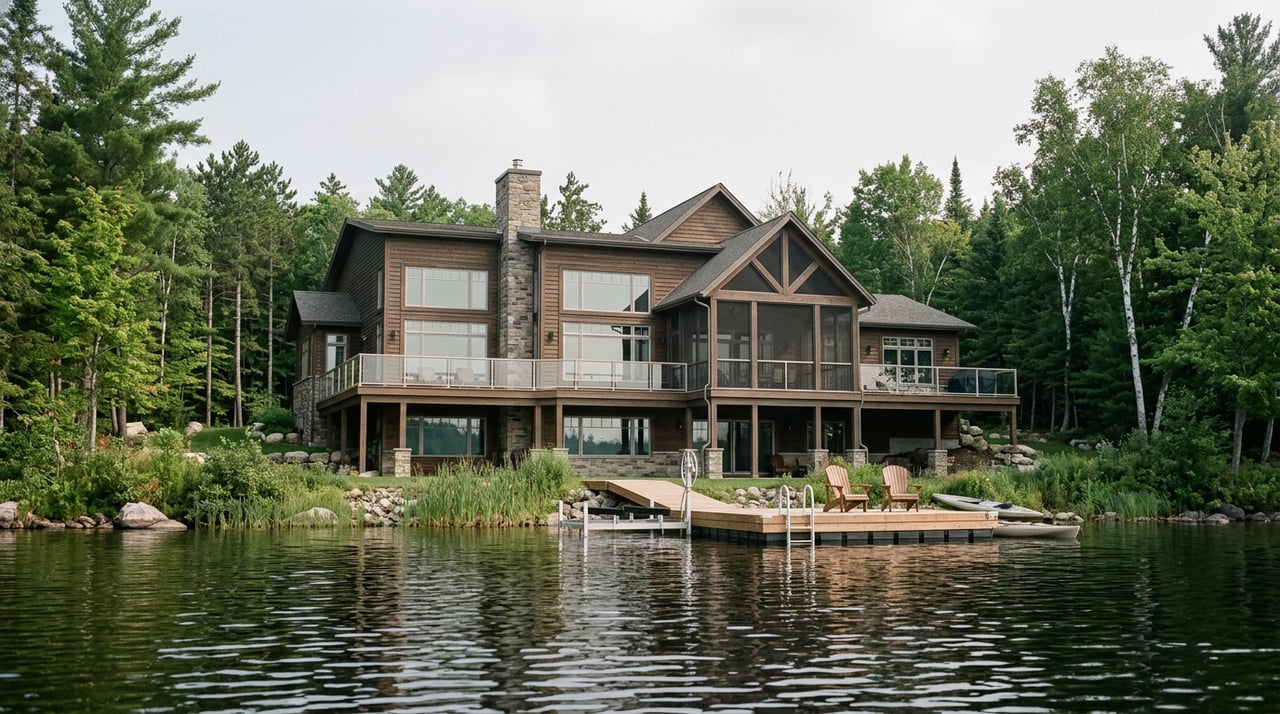
Buying land near Pine River can feel simple at first. You find a parcel with the right trees, the right privacy, or maybe even the right stretch of shoreline, and you start picturing the cabin or home you want to build. But with land, the real question is not just what looks good on paper. It is whether the site can actually support your future plans under the right local rules.
If you are thinking about buying land in the Pine River area, a little due diligence upfront can save you time, money, and frustration later. Below, you will learn how to evaluate jurisdiction, shoreland status, utilities, access, and buildability so you can move forward with more confidence. Let’s dive in.
Start With Jurisdiction First
One of the first things you need to confirm is whether the parcel is inside Pine River city limits or outside city limits in unincorporated Cass County. That matters because the permit path, zoning review, and local contacts can change depending on where the land sits.
If the parcel is inside Pine River, you will start with the city’s zoning and building process. Pine River uses contracted building inspection services, and its permit process asks for details like a site plan, setbacks, zoning district, lot area, impervious coverage, and current septic compliance.
If the parcel is outside the city, Cass County Environmental Services is usually the main land-use and zoning contact. Cass County also advises buyers and property owners to call before starting work if they are unsure whether a permit is required.
For future-build buyers, this is the first fork in the road. Before you focus on acreage, trees, or price, make sure you know which local office controls the review process.
Check Shoreland Status Early
Near Pine River, shoreland rules can have a major impact on what you can build and where you can place it. Minnesota’s Department of Natural Resources provides the statewide framework, but local governments administer shoreland rules through city, county, or township ordinances.
That local piece is important. Local standards can be more protective than the state minimums, so you do not want to wait until after an offer is accepted to find out that your build plans need to change.
Inside Pine River, the city’s shoreland ordinance states that its rules are intended to be at least as restrictive as state shoreland standards. In the city’s R-1 shoreland district, the ordinance includes a 75-foot waterfront setback, a 30-foot road setback, a 20-foot side exterior setback, a 10-foot driveway-to-property-line setback, and maximum impervious coverage of 25 percent or 30 percent depending on lake classification.
The city also limits impervious surface within 50 feet of the high water mark, except for narrow walks and steps on grade. If your goal is a future cabin or home near the water, those details can directly shape where the structure, driveway, and outdoor features may go.
Evaluate Whether the Lot Can Actually Support a Build
A parcel can look great in a listing and still be a poor fit for your plans. That is why land should be evaluated as a site, not just as acreage.
Cass County’s GIS map service is a strong starting point. It includes parcel dimensions, driveway and road information, aerial imagery, scanned surveys, conservation easements, National Wetlands Inventory data, 2-foot contours, soils information, permit history, parcel history, assessment cards, and tax statements.
That said, the county also notes that GIS mapping is for reference only. It does not replace a survey or legal description. So while the GIS layers can help you spot issues early, they should be part of your screening process, not the final word.
When reviewing a parcel, pay close attention to:
- Lot shape and dimensions
- Likely buildable area
- Easements
- Wetland and floodplain indicators
- Slope and contour changes
- Existing or proposed access location
- Space for septic and well planning
These checks matter even more for shoreland property. Projects near the water can involve limits on vegetation removal, grading, filling, and shoreline alteration.
Understand Nonconforming Lots
A lot that does not meet current standards is not automatically unusable. In some cases, a legally established nonconforming shoreland lot may still be buildable without a variance if setback and impervious-surface rules can be met and a compliant septic system can fit on the site.
If unique site constraints prevent that, a variance may be needed. The DNR also notes that contiguous nonconforming lots owned together may need to be combined as much as possible.
For you as a buyer, the takeaway is simple: do not stop at asking whether a lot is legal or available. Ask whether it is buildable for your intended home size, cabin footprint, driveway placement, septic area, and shoreline use.
Compare City Utilities and Rural Utility Planning
Utility availability can be one of the biggest differences between one parcel and another. Inside Pine River city limits, the city provides water service, and sewer service is handled through the Pine River Area Sanitary District.
That can make city parcels more straightforward from an infrastructure standpoint. You still need to confirm service availability and local requirements, but you may avoid some of the private utility questions that come with rural land.
For rural or shoreland parcels, private utility planning usually becomes part of the early due diligence process. In many shoreland and rural areas, homes rely on subsurface sewage treatment systems, which means septic feasibility is a major piece of the buildability puzzle.
Cass County provides septic information and licensing resources, and the Minnesota Pollution Control Agency states that septic system design, installation, repair, maintenance, operation, or inspection work must be handled by licensed professionals. In practical terms, that means septic feasibility is not something to guess at during a showing.
Plan for Septic and Well Feasibility
If the parcel will need a private septic system and well, confirm that early. A beautiful lot can become much less attractive if the site conditions make those systems difficult or expensive to install.
For septic, you will want licensed professional input on whether the land can support the system needed for your future cabin or home. Soil conditions, available area, setbacks, and other site constraints can all affect the design.
For wells, the Minnesota Department of Health states that new water-supply wells generally must be installed by licensed contractors, with limited personal-use exceptions. A well notification must also be filed before drilling.
The Minnesota Well Index can help identify many existing wells, but it does not include every well. If a parcel is marketed with an existing well or nearby well history, that should still be verified through the proper channels.
Confirm Legal Access Before Closing
Access is another issue that buyers sometimes discover too late. If a parcel takes access from a Cass County road, the County Highway Department uses an access driveway or entrance approval permit.
The county’s application states that no work may begin until the permit is approved and the required deposit is received. That means road access is not just a construction detail. It is a due diligence item that should be reviewed before you close, if possible.
If your future project may also involve utility work in county right-of-way or changes along road frontage, that should be part of your site review as well. It is better to uncover those needs early than be surprised after purchase.
A Practical Land-Buying Roadmap
When you are buying land near Pine River for a future cabin or home, it helps to follow a clear sequence. That keeps you focused on the factors that affect real-world buildability.
Before Making an Offer
Start with the basics and work outward from there.
- Confirm whether the parcel is in Pine River or unincorporated Cass County
- Verify the zoning district
- Check whether the parcel is in shoreland area
- Determine whether utilities are municipal or private
- Review GIS layers for easements, wetlands, contours, soils, and permit history
- Look at the plat, survey, or legal description if available
- Evaluate likely driveway access and building area
If you may want to split the property in the future, check Cass County subdivision rules before buying. A future split should be treated as a separate approval process, not an assumed right.
Before Closing
Before you move from interest to ownership, try to get input from the professionals who will directly affect the project.
That may include:
- City zoning staff or Cass County zoning staff
- A surveyor
- A licensed septic professional
- A licensed well contractor
- Your builder or general contractor
- Pine River’s contracted building inspector for in-city projects
At this stage, your goal is to answer a few practical questions with confidence:
- Is the lot buildable now?
- What permits are likely required?
- Can a compliant septic system fit on the site?
- Can a well be installed if needed?
- Is the driveway or entrance path legal and workable?
- Is future subdivision possible, if that matters to you?
Why This Matters in the Pine River Area
In the Pine River market, land value is closely tied to usability. This is especially true for lakeshore and near-lake parcels, where shoreline rules, access, and site constraints can affect what you can build and how you can use the property.
That is why experienced guidance matters. You are not just buying a piece of dirt. You are buying the potential for a future cabin, home, or long-term hold, and that potential depends on local rules and site-specific facts.
The best land purchases usually happen when buyers slow down, ask better questions, and evaluate the parcel with the future in mind. If you want help sorting through land opportunities near Pine River, the team at J Sandy Smith can help you approach the process with a clear, practical plan.
FAQs
What should I check first when buying land near Pine River?
- First, confirm whether the parcel is inside Pine River city limits or in unincorporated Cass County, because that determines the local zoning and permit path.
Why does shoreland status matter for Pine River land?
- Shoreland status can affect setbacks, impervious coverage, vegetation removal, grading, and where a future cabin or home can be placed on the lot.
Can a nonconforming lot near Pine River still be buildable?
- Yes, some legally established nonconforming lots may still be buildable if setback, impervious-surface, and septic requirements can be met, though some sites may need a variance.
Do rural Pine River-area parcels usually need private septic and wells?
- Many rural and shoreland properties rely on private septic systems and wells, so feasibility for both should be reviewed early with licensed professionals.
How can I research a parcel in Cass County before I buy?
- Cass County’s GIS map service is a useful starting point for reviewing parcel dimensions, surveys, wetlands, contours, soils, easements, permit history, and access information.
Should I verify driveway access before closing on land near Pine River?
- Yes, especially if the parcel uses a Cass County road, because driveway or entrance approval may be required before work can begin.