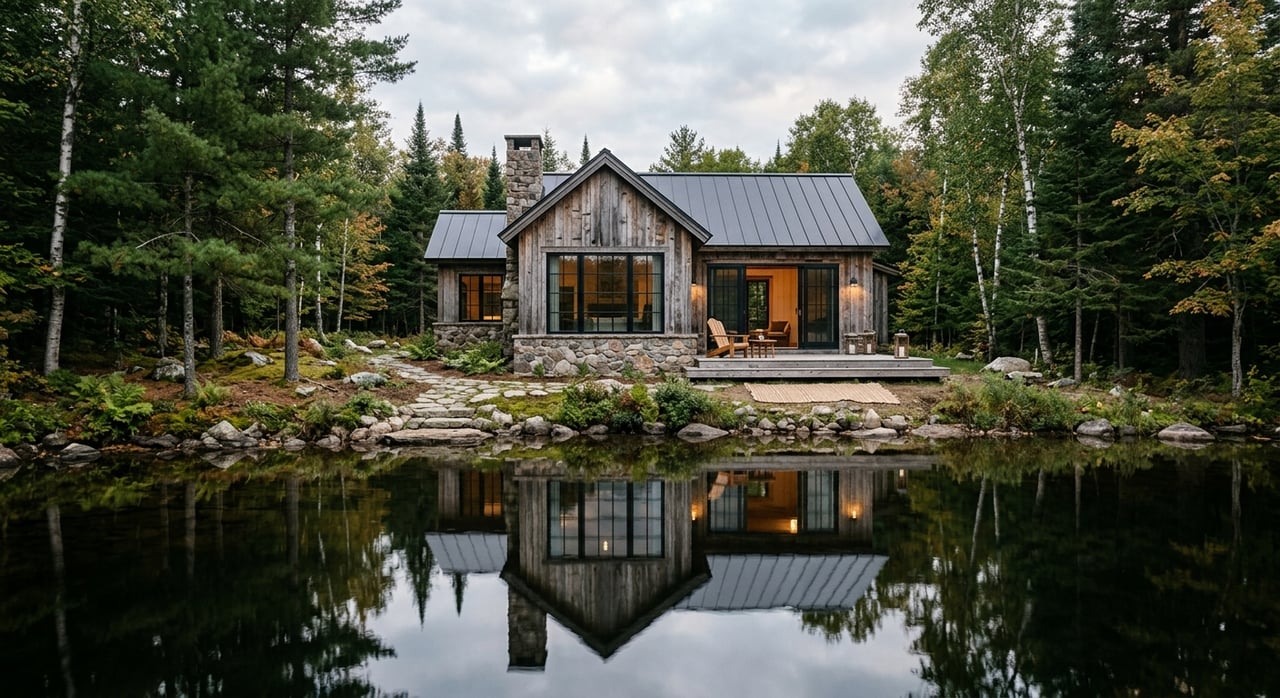
If you picture quiet lakefront as total silence, this part of Central Minnesota may surprise you. Around Emily, Outing, and Fifty Lakes, “quiet” is real, but it is also seasonal, lake-specific, and tied to access, services, and how much owner responsibility comes with the property. If you want a place that feels more tucked away without missing the details that matter, this guide will help you evaluate what quiet really looks like before you buy. Let’s dive in.
What quiet lakefront really means
In the Emily, Outing, and Fifty Lakes area, quiet is not a formal category. It is better understood as a mix of lower traffic, fewer public access points, less chain connectivity, and less shoreline development, which you can test using maps, aerial imagery, and lake data rather than listing language alone.
That matters because two properties can both be described as peaceful while offering very different day-to-day experiences. One may sit on a lake with little through-traffic and limited nearby services, while another may be near active boating routes, ATV trails, or winter recreation corridors.
Compare Emily, Outing, and Fifty Lakes
Each of these communities offers a different balance of convenience and seclusion. If you are buying lakefront here, you are not just choosing a home. You are also choosing a service pattern, road network, and a style of ownership.
Emily offers more city-style support
Emily provides the most city-style services of the three. The city has city hall, planning and zoning, a public library, parks, and public works functions, which can make ownership feel a little more straightforward if you want easier access to local resources.
At the same time, Emily’s amenities include ATV and snowmobile recreation, and the local DNR trail route runs through town. If your goal is a quieter setting, it is worth confirming whether a parcel is near those recreation corridors instead of assuming every Emily-area lakefront property will feel secluded.
Fifty Lakes can mean fewer services
Fifty Lakes has a more service-light profile. The city notes limited weekday city hall hours, mail service ties to the Crosslake Post Office, and a Village Post Office with limited services, which can be important if you are used to more in-town convenience.
Its city information and planning materials also note that some roads are privately owned and maintained by the residents who use them. For buyers seeking quiet, that can be appealing, but it also means you should ask clear questions about year-round road maintenance, snow removal, and shared upkeep before you commit.
Outing is more township-based
Outing is located in Crooked Lake Township in Cass County, and that township-based setup can feel more self-directed. The township highlights road seasonal-load limits, dust-control work on township roads, a canister station north of downtown, and local community resources like the volunteer library and fire and rescue services on the Crooked Lake Township website.
For some buyers, that is exactly the appeal. If you want a cabin setting that feels farther from town services, Outing may fit. You just want to go in with clear expectations about roads, maintenance, and how much hands-on ownership a property may require.
Use data, not listing language
The fastest way to evaluate a quiet-lake search is to move beyond words like “peaceful” or “private.” Minnesota’s DNR LakeFinder is one of the most useful tools because it provides lake surveys, depth maps, water quality and clarity data, lake notes, and fish-consumption guidance for thousands of lakes and rivers.
For a buyer, that means you can compare one waterbody to another using actual information. Instead of relying on marketing descriptions, you can start to understand how a lake functions and whether it fits the kind of ownership experience you want.
Check public access points
A practical working assumption is that quieter lakes often have fewer public accesses. Crow Wing County’s public lake access map can help you see where administered accesses are located, which is especially helpful when comparing lakes near Emily and Fifty Lakes.
That does not automatically make one lake better than another. It simply gives you a clearer sense of likely traffic patterns, especially in peak summer months or on fishing opener weekends.
Study chain connectivity and aerial views
Chain connectivity can also shape how busy a lake feels. A lake connected to a larger chain may see more movement from boat traffic, while a less-connected lake may feel quieter even if the homes along it are similar.
Crow Wing County provides GIS and historic aerial imagery, and Cass County’s GIS map service can show parcel dimensions, aerial photography, contours, soils, and road information. Those mapping tools are useful because they let you test your assumptions about privacy, neighboring development, and access routes before you fall in love with a listing.
Think beyond summer quiet
One of the biggest mistakes buyers make is evaluating a property only as a July experience. In this region, quiet changes with the calendar.
Cass County notes that its summer population can exceed 100,000, and winter recreation includes ice fishing, ATVs, skiing, hiking, and snowmobiling. It also maintains boats in the Outing lakes area through its recreation division, which is a reminder that some lakes may feel calm in one season and much more active in another.
Ask how the area changes by season
If you are looking for a quieter cabin or future lake home, ask how the road sounds, trail activity, and lake use shift between summer weekends, fall, and winter. A property that feels still on a weekday tour may sit near a route that sees more seasonal recreation than you expected.
This is one reason lakeshore buyers benefit from a lake-specific approach. You are not just evaluating square footage or finishes. You are evaluating how the lake and surrounding area actually live throughout the year.
Understand the service tradeoffs
The quieter the setting, the more important the practical details become. In many cases, a more secluded property also means fewer nearby services and more owner planning.
That is not a drawback for everyone. For many buyers, it is part of the appeal. But it should absolutely shape your due diligence.
Road maintenance matters
Road access can be a major issue on remote or lightly serviced lake properties. Cass County states that spring road restrictions apply during thaw periods, with load limits depending on road type unless posted otherwise, as outlined on its road restrictions page.
If you are buying a cabin, vacant lot, or home that may need deliveries, dock work, or renovation materials, timing matters. You should also confirm whether the road is county, township, HOA, or private, and who handles plowing and maintenance.
Private roads need extra questions
This is especially important in Fifty Lakes, where some roads are privately owned and maintained by residents. A quiet setting on a private road can be a great fit, but you will want clarity on shared obligations, maintenance costs, and year-round access before moving forward.
For properties on county roads in Crow Wing County, driveway access rules can also affect your plans. The county’s right-of-way and access information is a helpful starting point when you are evaluating land or a future improvement project.
Shoreline rules can shape your plans
Quiet lakefront buyers often value natural shorelines, mature trees, and a less-developed look. Those same features also make shoreland regulations especially important.
The Minnesota DNR explains that shoreland regulations are administered through local governments, and it notes that maintaining natural shoreline vegetation is the single most important protective measure homeowners can take. In practice, that means your ability to cut vegetation, move dirt, or expand improvements may be more limited than you expect.
Verify classification and permit history
The DNR’s shoreland classification information can help you understand how standards may vary by lake. In Crow Wing County, shoreland districts extend 1,000 feet from a lake and 300 feet from a stream, and permits are required for most dirt moving and vegetation alteration in those zones.
If you are considering a property because it feels private and natural, make sure you know what has already been permitted and what future changes may require approval. In Cass County, environmental services handles land use, zoning, and environmental-health questions, so confirming those details early can save time and frustration later.
Don’t overlook septic and AIS issues
Many quiet lake properties come with systems and responsibilities that need close review. Septic compliance is one of the biggest examples, especially if you plan to remodel, expand, or convert a lightly used cabin into more frequent use.
Crow Wing County provides septic compliance-inspection materials and forms, which makes it easier to verify system status before you buy. If a property is older or has had changes over time, this should be part of your early diligence, not an afterthought.
Aquatic invasive species are another ongoing ownership issue. The DNR advises boaters to clean, drain, dry, and decontaminate watercraft and equipment, and Cass County places inspectors at up to fifty lake accesses each spring. If you will be moving docks, lifts, or watercraft between lakes, you should plan for that part of ownership too.
A practical quiet-lake tour checklist
When you tour lakefront near Emily, Outing, or Fifty Lakes, it helps to use the same checklist every time. That keeps you focused on real fit instead of just first impressions.
- How many public accesses does the lake have, and are any nearby?
- Is the lake connected to a chain or likely to see through-boat traffic?
- What does the lake’s data show in DNR LakeFinder?
- Who maintains the road and driveway approach?
- Are there seasonal load restrictions that could affect access or work?
- What is the shoreland classification, and what permits have been pulled?
- Is the septic system current and compliant?
- Is the property near ATV, snowmobile, or other recreation corridors?
- If it is vacant land, do you need a private surveyor or added feasibility work?
Buying quiet lakefront well usually comes down to asking better questions than other buyers ask. The property may look simple on the surface, but the best choice is the one that matches your expectations for privacy, access, maintenance, and long-term use.
If you want help comparing lakes, road setups, shoreline factors, and the real tradeoffs between Emily, Outing, and Fifty Lakes, J Sandy Smith can help you evaluate the property and the lake together so you can buy with more clarity and confidence.
FAQs
What does quiet lakefront near Emily, Outing, and Fifty Lakes usually mean?
- Quiet usually means a lake with fewer public accesses, less chain connectivity, less shoreline development, and seasonal activity patterns that fit your goals.
How can you research a quieter Minnesota lake before buying?
- Start with Minnesota DNR LakeFinder, then review county public-access maps, GIS tools, and aerial imagery to compare traffic patterns, shoreline development, and lake characteristics.
Are lake properties near Fifty Lakes more likely to involve private roads?
- Some are, because Fifty Lakes notes that certain roads are privately owned and maintained by residents, so you should verify maintenance responsibilities and year-round access.
Why do shoreland rules matter for quiet lakefront property?
- Shoreland rules can affect vegetation removal, grading, additions, and other improvements, which is especially important if you value a natural shoreline or plan to make changes.
What seasonal issues should buyers watch for near Outing and nearby lakes?
- Buyers should pay close attention to seasonal recreation activity, spring road restrictions, winter access, and how summer traffic may differ from what they see during a single showing.
Should you check septic compliance before buying a quiet cabin or lake home?
- Yes. Septic status is an important part of due diligence, especially if you plan to remodel, expand, or use the property more heavily than prior owners did.